Specialized teams. Water-based access. Hard-to-reach locations. Clean Waterways Project goes where standard volunteer cleanups end.
Dense riverbanks. Remote shorelines. Water-only locations that no standard volunteer crew can reach. That's where debris accumulates unchecked — and that's exactly where we work. Starting in Connecticut and expanding along the Northeast coast, Clean Waterways Project combines specialized equipment, strategic partnerships, and data-driven prioritization to protect the waterways communities and wildlife depend on.
Kayaks and boats reach accumulation points no land crew can access — mid-river debris, flooded banks, vegetation-blocked shorelines.
We use debris density, ecological sensitivity, and community impact to direct resources where they matter most — not where they're easiest.
CT DEEP, local land trusts, and environmental organizations give us access to data and local knowledge every operation depends on.
Every cleanup is tracked: pounds by debris type, cubic yards, volunteer hours, location. Data drives the next deployment.
Two-mode operations let us cover what neither approach alone can reach.
Our land teams work sections of riverbank and shoreline requiring bushwhacking, technical access, or significant physical effort. We've mapped heavy debris concentrations along the Connecticut River and use that data to prioritize by density and ecological impact.
Operating by kayak and boat, our water teams reach locations no land crew can access — mid-river debris points, flooded banks, and areas where vegetation makes land access impossible. This material would otherwise remain in the water indefinitely.
We work with CT DEEP, local land trusts, and Northeast environmental organizations to identify high-priority areas, coordinate efforts, and prevent duplication. Our partners provide data, local knowledge, and logistical support that multiplies every operation.
Physical cleanup is where we start, not where we stop. We work with schools, community groups, and partner organizations to address debris at the source — raising awareness about how everyday actions affect the waterways we share.
Connecticut's 5,830 miles of rivers, 64,973 acres of lakes, and 611 square miles of estuarine waters face constant threats from marine debris — 60 to 80 percent of it plastic, according to the U.S. EPA.
These contaminants carry phthalates, PCBs, heavy metals, and other substances that disrupt ecosystems, accumulate in the food chain, and threaten the health of anyone who recreates, fishes, or draws water from these sources.
The debris doesn't stop moving until someone removes it. We're doing that — in the places others skip.
About Connecticut's Waterways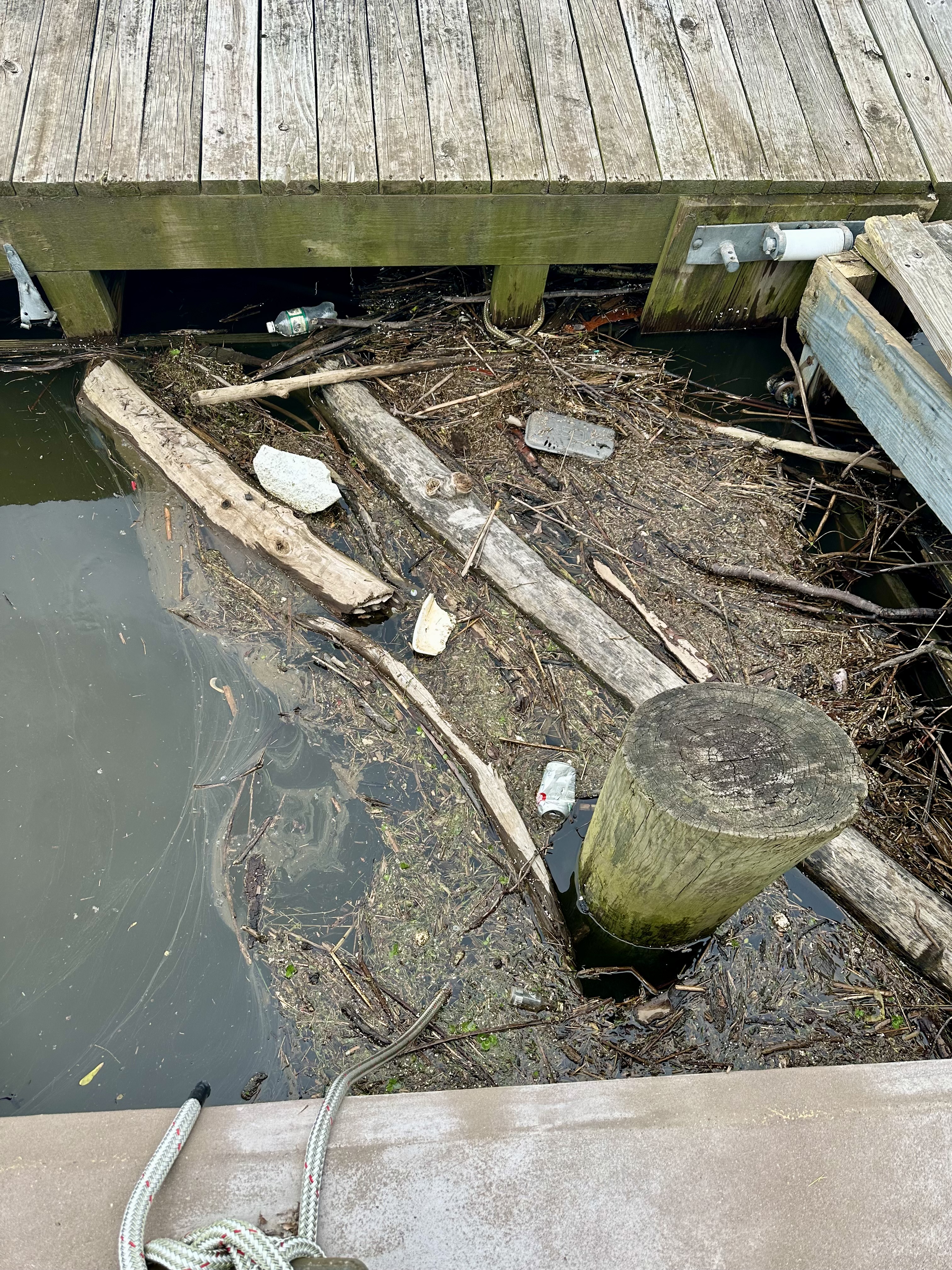
"They do what others won't. The Connecticut River has stretches that nobody else has cleaned in years — Clean Waterways Project reached them."— [Name], [Role / Affiliation] — PLACEHOLDER: Replace before launch
Specialized equipment, water-based operations, and the reach to get to hard-to-access locations — every dollar goes toward capacity that makes the next cleanup possible.
Cleanup recaps, impact updates, and ways to get involved — delivered to your inbox.
