The waterways we protect require real operational capacity — and that capacity depends on people and organizations who show up. Here's how.
Whether you have a Saturday morning, a professional network, or the ability to fund a cleanup — there's a role for you.
Join a cleanup crew. Our operations need people willing to work in and around the water — no prior experience required, just physical readiness and commitment to the work.
Sign Up to VolunteerLand trusts, conservation organizations, municipalities, and environmental nonprofits: if you have waterway access, local knowledge, or operational resources, let's talk about how to work together.
Explore a PartnershipCompanies with environmental commitments can directly fund specific cleanup operations, equipment purchases, or geographic expansion. Sponsorships are documented with impact data and public recognition.
Discuss SponsorshipOur cleanups are working operations, not casual events. We go to dense riverbank sections and water-based locations that require physical effort and appropriate preparation. We'll brief you fully before each event — here's what you need to know going in:
Cleanups involve wading, bushwhacking, carrying equipment and debris bags, and working in uneven terrain. Water-based operations require kayak experience or strong swimming ability. We'll confirm suitability before each event.
Debris bags, gloves, safety briefings, and event coordination. Water-based operations include equipment for those who need it. We take care of debris transport and disposal after each cleanup.
Closed-toe footwear (waterproof preferred), clothing you don't mind getting wet or dirty, water and snacks, and a willingness to work. We log your hours and keep you informed about impact data from each event.
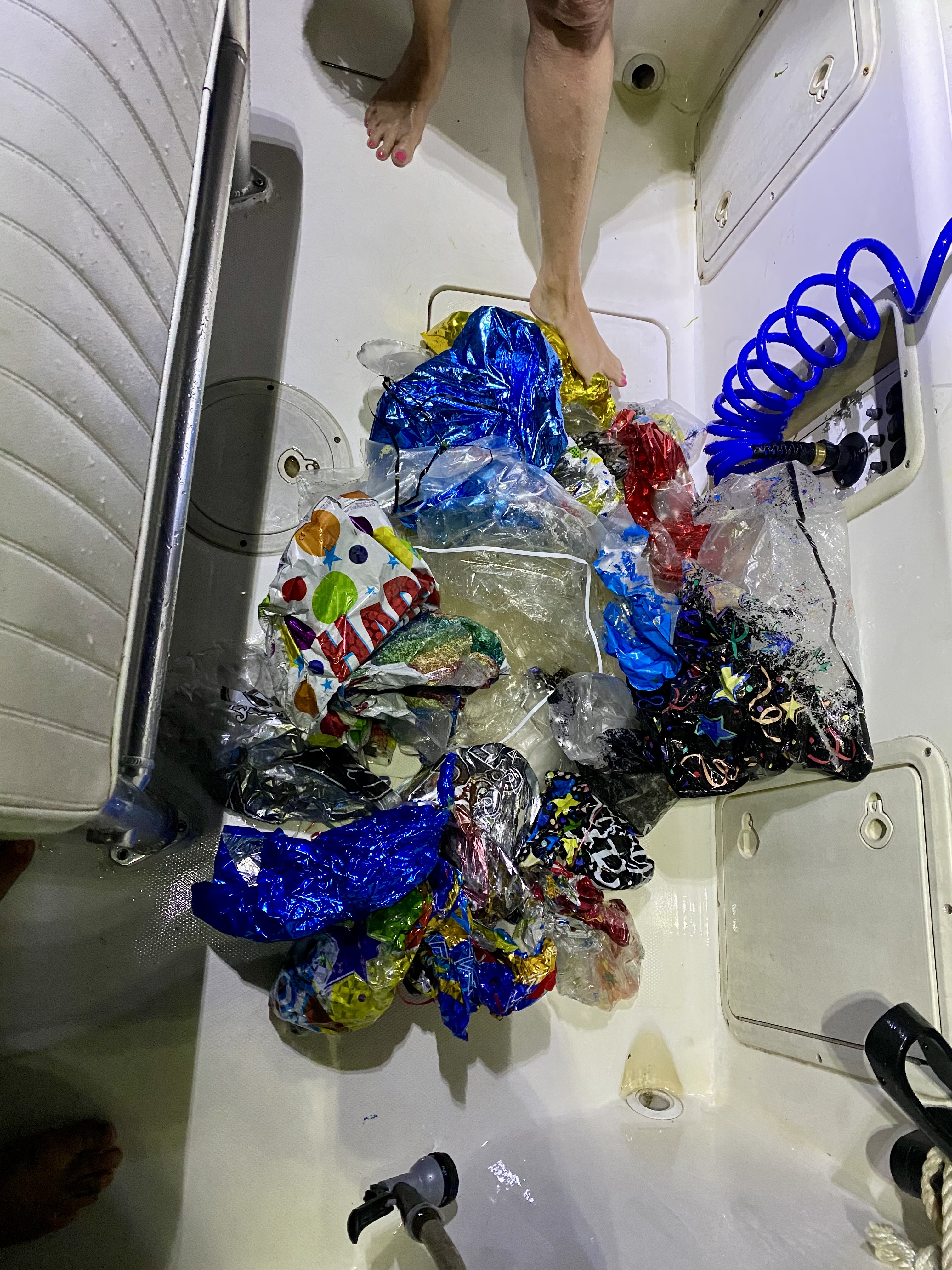
Every volunteer hour is recorded in our impact tracking system. If you're completing service hours for school, work, or an organization, we can provide documentation upon request.
Access to protected shoreline and riverbank property is one of our most important operational inputs. If your organization manages waterway-adjacent land in Connecticut or the Northeast coast, we'd like to talk.
Organizations working on water quality, marine debris, or aquatic habitat protection bring complementary data and networks. We're interested in coordination to avoid duplication and to target the highest-impact locations.
CT DEEP is our primary current agency partner. We're actively developing relationships with municipal environmental commissions, the Army Corps of Engineers, and other state and federal agencies with waterway jurisdiction.
Universities and K–12 programs with environmental science curricula: our cleanup operations and data infrastructure can support research projects, service learning programs, and community education initiatives.
Corporate environmental giving works better when it's specific. Clean Waterways Project can offer exactly that: sponsorship tied to a specific cleanup event, a specific waterway section, or a specific piece of equipment — with documented pounds removed, volunteer hours logged, and public attribution.
We're not looking for logo placement in exchange for a check. We're looking for partners who want to know what their investment produced — and be able to show it to their stakeholders.
Contact us to discuss what a meaningful partnership looks like for your organization.
Start the ConversationThe best partnerships start with a conversation. Tell us what you're working with and we'll figure out how it fits the work.
Cleanup recaps, impact updates, and ways to get involved — delivered to your inbox.
