Connecticut's rivers, lakes, and coastal waters are ecologically critical — and persistently threatened by debris accumulation in the locations hardest to reach.
Marine debris moves. Storm water carries it from land to stream. Currents carry it from stream to river. Tidal flow carries it from river to estuary. By the time it accumulates in a dense riverbank section or a mid-channel eddy, it's often been through multiple systems — and it's exactly where a standard cleanup crew can't reach it.
The Connecticut River is one of the most ecologically important rivers in New England. It supports 40 fish species, hundreds of bird species, and critical migratory corridors. The debris that accumulates in its hard-to-access sections doesn't just look bad — it physically entangles wildlife, introduces chemical contaminants into the food chain, and alters the physical dynamics of the waterway itself.
The same pattern holds across the Northeast coast — dense accumulation in inaccessible locations, insufficient removal capacity, and ecological impact that compounds year over year.
60 to 80 percent of the debris we remove is plastic — and plastic in aquatic environments isn't inert. As it breaks down into microplastics, it carries chemical contaminants that leach into water and accumulate in organisms throughout the food chain.
Research from the U.S. EPA links marine debris to physical harm in wildlife (entanglement, ingestion, habitat blockage) and chemical harm from substances including phthalates, PCBs, flame retardants, and heavy metals that adhere to plastic surfaces in the water column.
The communities and wildlife that depend on these waterways — including anyone who swims, fishes, or drinks from water systems connected to Connecticut's rivers — are affected by what stays in the water.
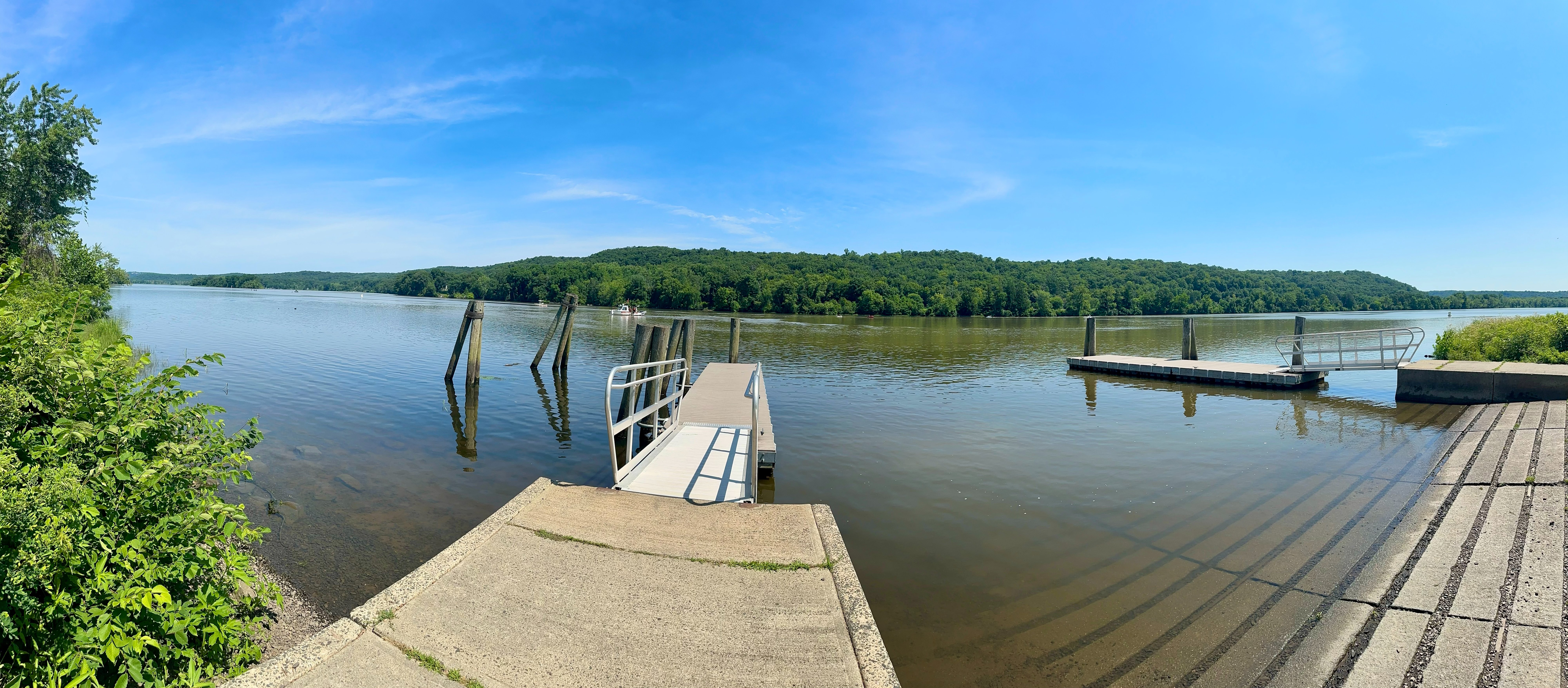
New England's largest river and one of its most ecologically critical. Our initial operations focus on documented high-debris sections — particularly those blocked from land access by vegetation or topography — between the Massachusetts border and Long Island Sound.
The Sound's coastal Connecticut shoreline includes dense saltmarsh systems, tidal flats, and coastal wetlands that are both ecologically sensitive and debris-prone. Phase Two expansion targets the most impacted accessible sections of this coastline.
The Northeast coastal debris problem doesn't stop at state lines. As we build operational capacity and partnerships along Long Island Sound, expansion into coastal New York and Rhode Island is the natural continuation of the work.
The Connecticut River has been designated a National Blueway by the U.S. Department of the Interior — one of only a handful in the country. That designation recognizes its ecological importance for migratory fish and bird species, its role as a water source for millions of people, and its value for recreation, tourism, and the communities along its banks.
It is also a river with serious, ongoing debris problems in precisely the locations most difficult to address with conventional cleanup approaches. That's the intersection we work in: ecologically critical, difficult to access, persistently underserved by standard cleanup capacity.
Our job is to fill that gap — methodically, measurably, and with the technical capacity to actually reach the problem.
They need people and organizations with the capability to go to the hard places. Help us build that capacity.
Cleanup recaps, impact updates, and ways to get involved — delivered to your inbox.
