Three cleanup events. 400 pounds of debris removed. Every one in a location standard volunteer crews don't reach. Here's the work so far.
Every cleanup logs what we pull out by weight and material type. That tracking matters — it lets us understand where problem materials concentrate, what's changing over time, and where to go next.
Typical debris includes fishing line, monofilament, plastic bottles and containers, polystyrene foam, rope and netting, metal cans, tires, and large durable goods that require water-based equipment to retrieve.
The heavier and larger the debris, the more likely it's in the locations land-based cleanups can't reach. That's not a coincidence — it accumulates there precisely because nobody has gone after it.
Our initial operations are concentrated along the Connecticut River, targeting sections with documented high debris density that are inaccessible by land. This includes mid-channel accumulations, vegetation-blocked shoreline stretches, and flood-deposited debris fields that persist between storm cycles.
Working dense riverbank sections that require significant physical effort — wading, bushwhacking, and physically breaking through vegetation to reach debris accumulation points. Crew sizes range from 3 to 8 volunteers per event.
Water-based teams access mid-river debris points and sections where the only practical approach is from the water. Larger debris items — tires, appliances, drums — require boat-based retrieval.
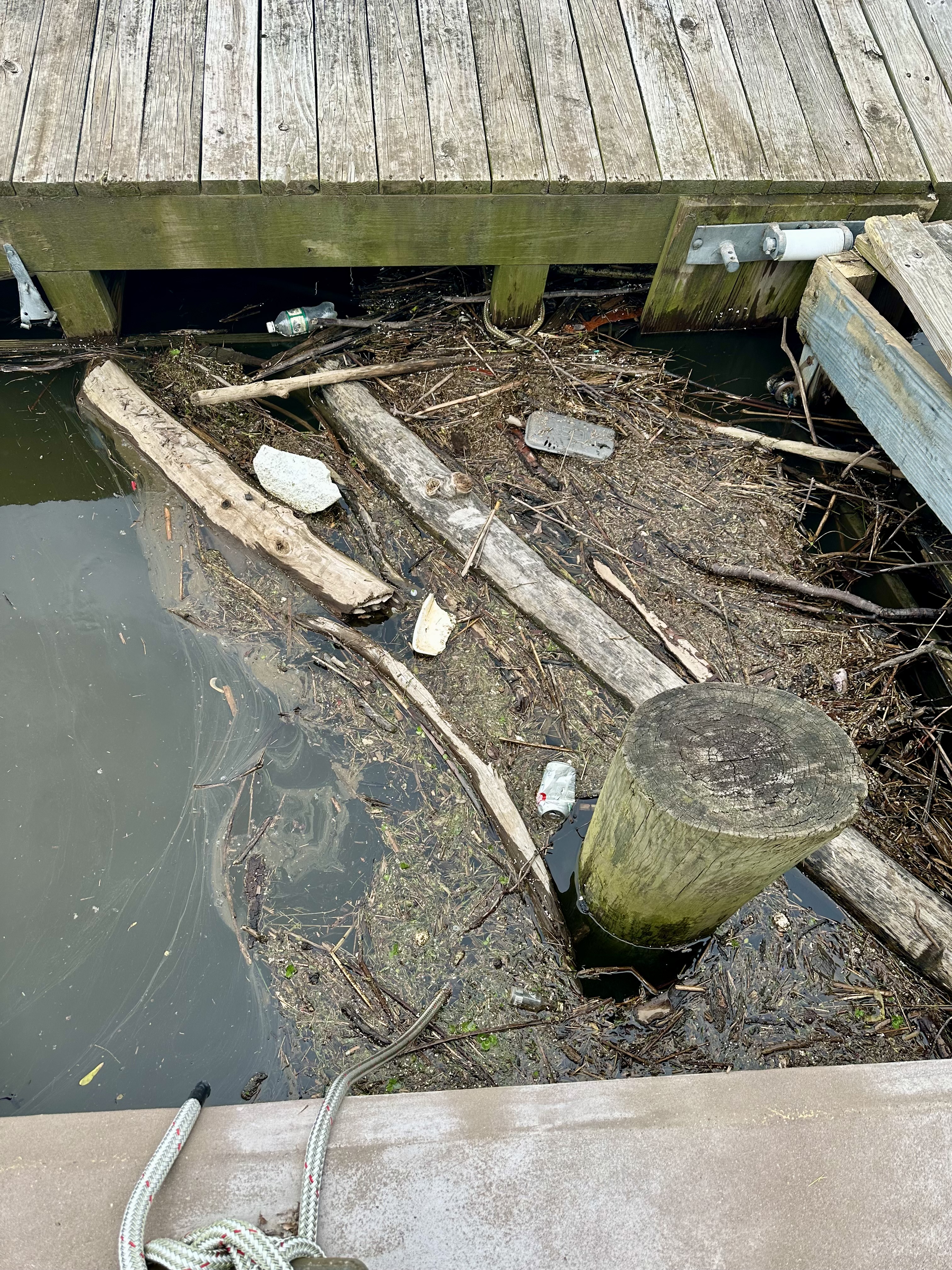
Debris packed under dock pilings — branches, plastic bottles, and trash that collect in locations no land crew can reach from shore.
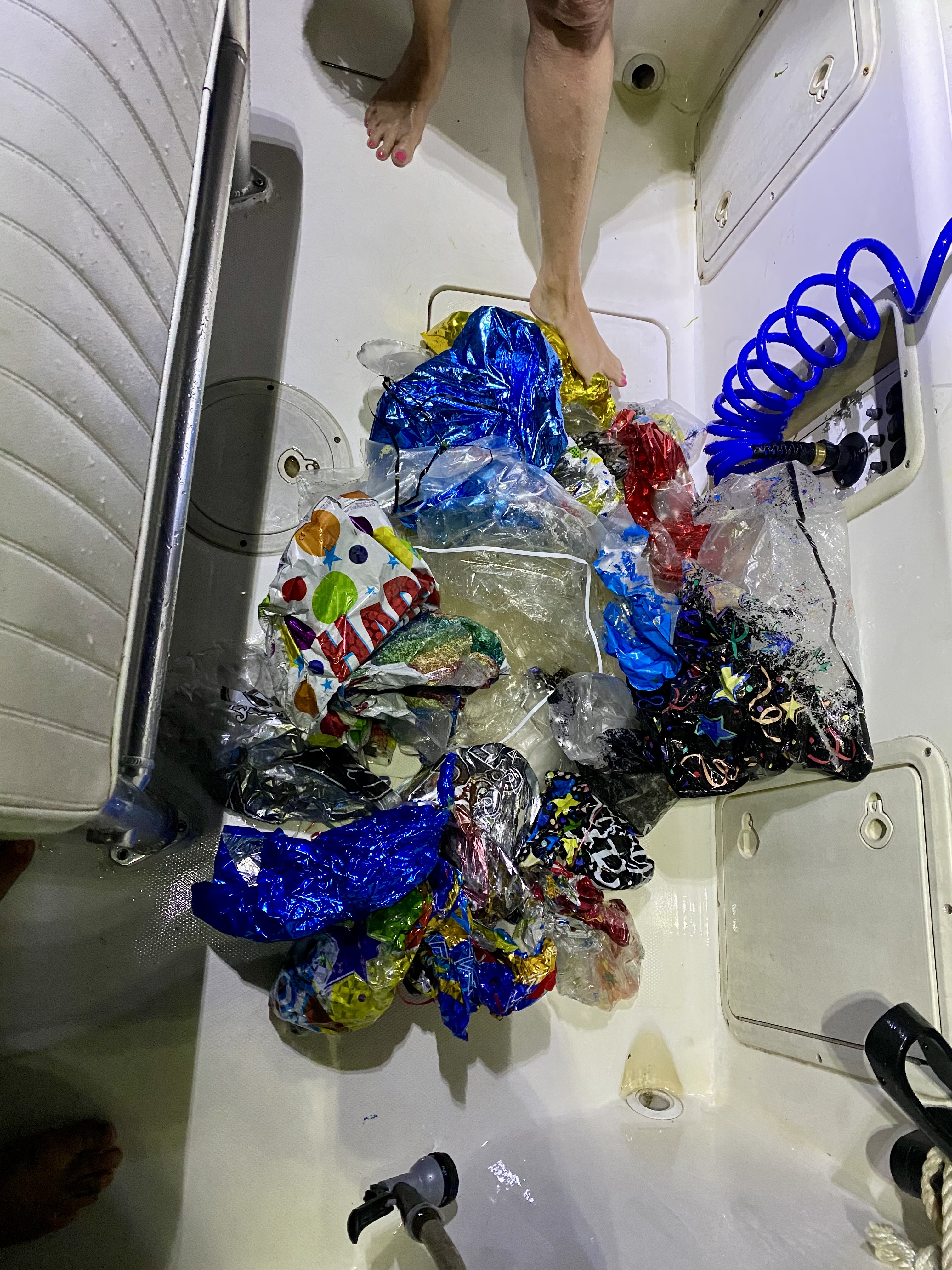
A single boat-based run recovered this volume of mylar balloons and plastic from mid-river accumulation points unreachable from shore.

An abandoned boat hull beached on a remote riverbank. The kind of large debris that requires water-based access and equipment to assess and remove.
Photo credit placeholder — add real captions and photographer credits before launch.
Connecticut operations are Phase One. Phase Two expands along Long Island Sound into coastal New York and Rhode Island — building the same data infrastructure, the same partnership model, and the same water-based access capability into the broader Northeast waterway network.
Every cleanup generates the data and the relationships that make the next expansion possible. The model scales because it's built on systems, not just effort.
Track Our ProgressSpecialized equipment and water-based operations cost money. Your donation goes directly to operational capacity — the fuel, gear, and volunteer coordination that makes each deployment happen.
Cleanup recaps, impact updates, and ways to get involved — delivered to your inbox.
